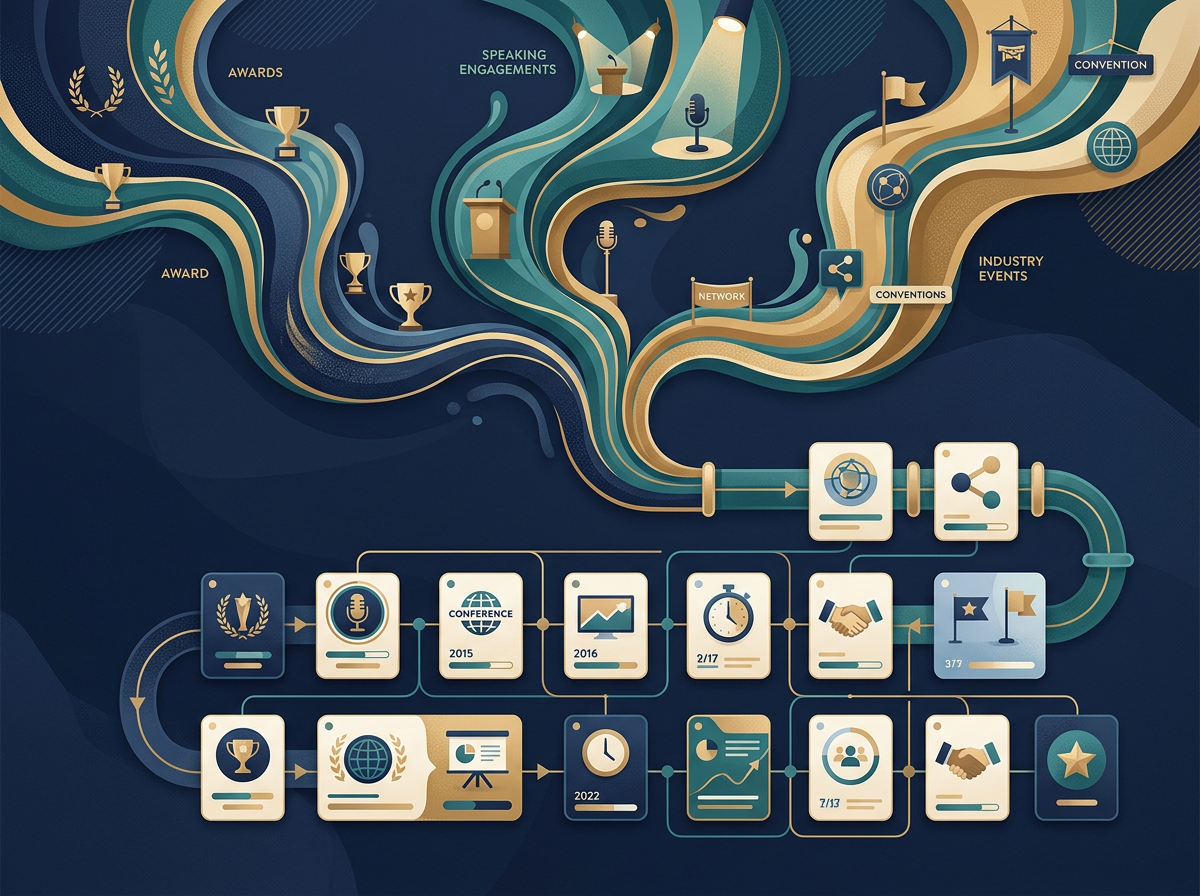
Hospitality and travel brands operate in one of the most media-sensitive, review-driven, and reputation-dependent sectors in the world. Here’s what a purpose-built PRTech stack looks like for comms teams in this space.
PRTech Studio · August 2026
A hotel group’s communications team faces a fundamentally different challenge from almost any other sector. They aren’t managing a single brand. They’re managing a corporate entity, multiple property brands, individual restaurant and spa concepts, a destination narrative, and in many cases an investment or development story, all simultaneously, often across multiple markets and languages.
Generic PRTech stacks aren’t built for this. A monitoring platform configured for a fintech startup will miss the nuances that matter in hospitality: property-level reputation, F&B coverage, destination share of voice, and the growing role of AI search in travel decision-making.
The Specific Challenges of Hospitality Comms
Multi-property complexity. A hotel group with 20 properties across five markets has 20 distinct reputations, each with its own media environment, review ecosystem, and audience. A single monitoring setup that tracks the group brand will miss what’s happening at the property level, which is where reputation is actually built and lost.
Brand plus destination. Hospitality coverage is never just about the hotel. It’s about the destination, the F&B concept, the spa experience, the local partnerships, and the owner or operator’s story. A comms team that only monitors its brand name is missing the majority of the coverage that shapes how travelers and media perceive it.
Speed of reputation risk. A single viral review, a social post from a guest with a large following, or a thread on Reddit can move faster than any traditional monitoring system catches. The window between a reputation issue emerging and it reaching press is shorter in hospitality than in almost any other sector.
The AI visibility gap. Travelers now ask ChatGPT and Perplexity where to stay, where to eat, and what to do. If your property isn’t appearing in those answers, you’re invisible to a growing segment of the market at the exact moment they’re making a booking decision. Most hospitality comms teams have no visibility into this layer at all.
What a Hospitality PRTech Stack Covers
Corporate, brand, and property media intelligence. Tracking coverage at every level of the organization: group announcements, brand positioning, and individual property coverage, each with its own keyword architecture, source set, and reporting cadence. A corporate story in the financial press requires different monitoring logic than a property feature in a travel magazine.
Competitor and destination share-of-voice analysis. How does your property perform in media relative to competing hotels? How does your destination perform relative to competing markets? These are the benchmarks that give hospitality comms teams strategic context for their coverage numbers.
AI search visibility for hotels, operators, restaurants, and destinations. Systematic monitoring of what ChatGPT, Perplexity, Gemini, and other AI platforms say when travelers ask for recommendations in your category, your destination, and your price point. Tracking changes in AI answers over time shows whether your earned media and content strategy is improving your AI citation share.
F&B and lifestyle brand monitoring. Restaurant concepts, spa brands, and experience offerings are increasingly significant reputation assets for hotel groups. Each deserves its own monitoring setup, tracking coverage in food and lifestyle press separately from the property coverage in travel media.
Development, investment, and corporate narrative tracking. For hotel groups with active development pipelines or investment stories, tracking how the business is being covered in financial and trade press requires a separate narrative layer from the guest-facing brand coverage.
Executive and thought leadership intelligence. Tracking how group executives and property GMs are being quoted, positioned, and cited in both industry and consumer media. Measuring the impact of thought leadership activity on media positioning.
Partnerships, awards, and event intelligence. Monitoring industry recognition programs, awards shortlists, and key event conversations in real time, so the comms team is never caught off guard by a nomination, a win, or a competitor’s recognition story.
Communications measurement across markets and properties. Consolidated reporting that gives leadership a clear picture of PR performance across the entire portfolio, with the ability to drill down to individual properties, markets, or campaigns.
The AI Search Angle for Hospitality
This deserves particular attention because it’s the area where hospitality comms teams are most behind. Travel is one of the highest-volume query categories in AI search. People ask for hotel recommendations, restaurant suggestions, destination guides, and travel planning advice through AI platforms at significant and growing scale.
The properties that appear in those answers are the ones with the strongest combination of editorial coverage in trusted travel publications, structured and specific content on their own websites and platforms, and consistent entity representation across all digital touchpoints. Review site presence also feeds AI answers: TripAdvisor, Google Reviews, and editorial content from sources like Condé Nast Traveller and Forbes Travel Guide all contribute to what AI recommends.
A hospitality PRTech setup that doesn’t include regular AI search audits is operating with a significant blind spot in 2026.
Your property is being talked about. The question is whether you know it. PRTech for hospitality puts intelligence at the center of your communications function.
Where to Start
For most hospitality comms teams, the highest-impact starting point is a monitoring audit: mapping what is currently being tracked, what’s being missed, and where the gaps are between what the team knows and what’s actually being said about the brand. From that baseline, a purpose-built hospitality PRTech setup can be designed around the specific properties, markets, competitors, and narratives that matter most.